

The escalating conflict in the Middle East has created profound ripple effects across the global tourism industry. As geopolitical tensions intensify, international travel markets are experiencing widespread instability, affecting airlines, tour operators, and travelers worldwide. For an industry built on connectivity, safety, and confidence, such uncertainty presents considerable operational and economic challenges.
Aviation Networks Under Pressure
The Middle East has long served as a strategic aviation hub linking Europe, Asia, and Africa. Major transit centers such as Dubai, Abu Dhabi, and Doha play a crucial role in global air travel, facilitating millions of passengers each year.
However, restricted airspace, security concerns, and precautionary rerouting have forced airlines to adjust flight paths. These operational changes often result in longer travel times, higher fuel costs, and schedule disruptions. For passengers, this means delays, rescheduling, and, in some cases, cancellations. For airlines, it increases operational complexity and financial pressure during an already sensitive recovery period for global tourism.

Declining Travel Demand to Affected Regions
As safety remains the top priority for international travelers, demand for travel to conflict-adjacent destinations has declined sharply. Tour operators in many markets have temporarily suspended packages to certain Middle Eastern destinations, while others have implemented flexible booking policies to accommodate changing travel plans.
Uncertainty plays a significant role in traveler behavior. Even destinations not directly involved in the conflict may experience reduced visitor numbers due to regional perception risks. Travel confidence, once disrupted, often requires time and consistent stability to recover.
The Broader Impact on Global Tourism
Beyond the immediate region, the impact of Middle East instability is felt across interconnected travel markets. International tourism relies heavily on seamless transit routes and predictable operations. When a central aviation corridor is affected, global itineraries must adapt.
Travel companies worldwide are responding by diversifying destination offerings, strengthening crisis management strategies, and prioritizing transparent communication with clients. Flexibility in booking conditions and proactive customer support have become essential tools in maintaining trust during uncertain times.
Adaptation and Opportunity for Emerging Destinations
While geopolitical tensions create undeniable challenges, they also encourage travelers to explore alternative destinations perceived as safe, stable, and rich in authentic experiences. Southeast Asia, including Vietnam, continues to demonstrate resilience thanks to its strong safety record, diverse natural landscapes, and well-developed tourism infrastructure.
For travelers seeking meaningful journeys amid global uncertainty, destinations that offer stability, sustainability, and cultural depth are increasingly appealing. Vietnam’s central region, home to world-class natural heritage sites, stands out as a compelling option.
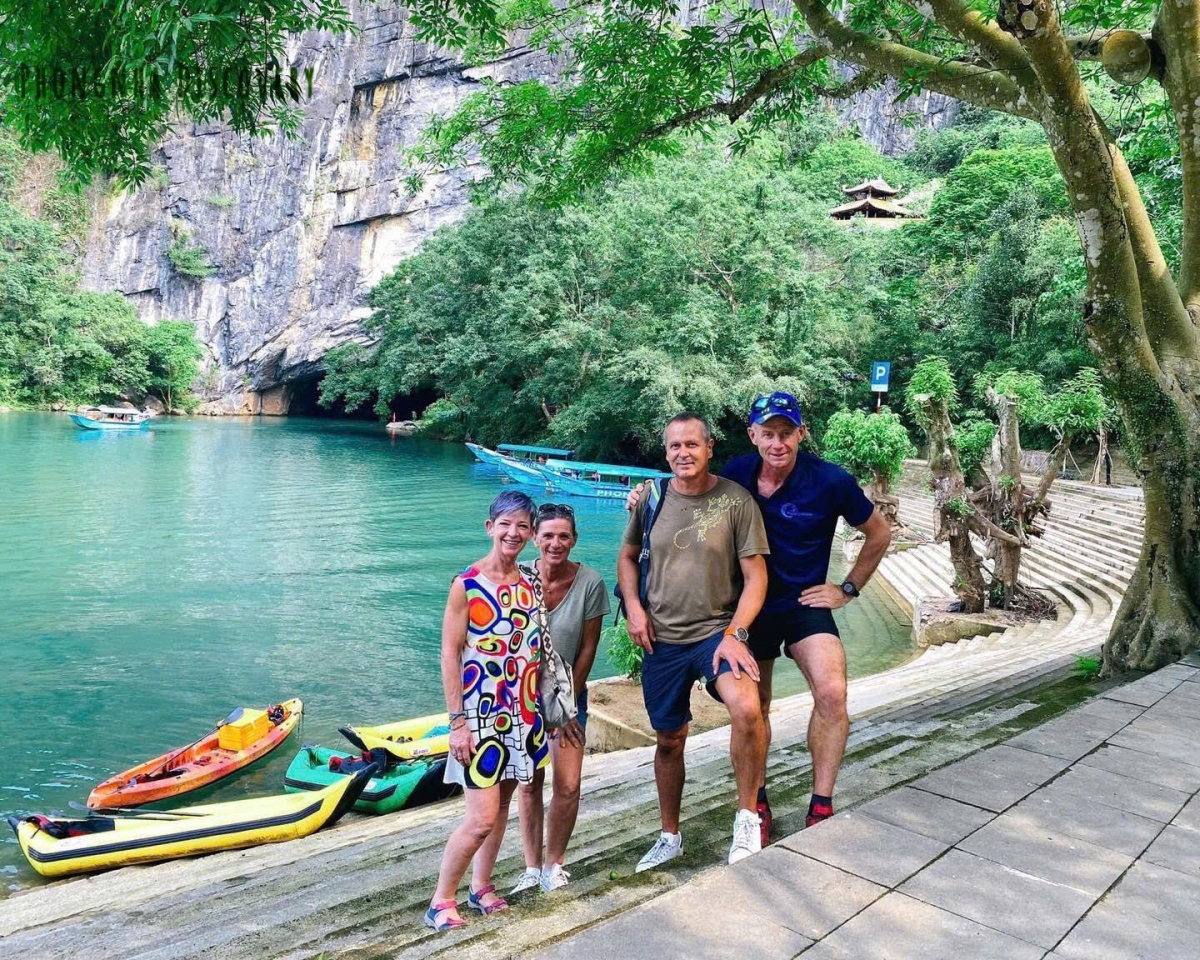
At Phongnha Discovery Tours, we remain committed to closely monitoring global developments while continuing to provide safe, professionally organized travel experiences. In times of change, adaptability and responsibility are essential. Our priority is to ensure that every journey is not only memorable but also secure and thoughtfully managed.
The situation in the Middle East serves as a reminder of how closely global tourism is tied to geopolitical stability. While challenges persist, the industry’s resilience, innovation, and commitment to traveler safety will remain the foundation for recovery.
As global travel patterns evolve, destinations that prioritize security, quality service, and sustainable development will continue to earn traveler confidence. With careful planning and responsible operations, tourism can navigate uncertainty while continuing to connect people and cultures around the world.






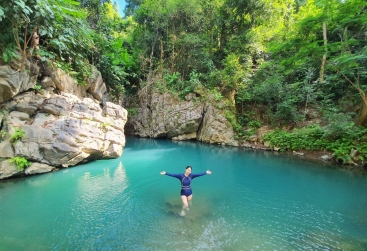
Ma Đa Valley – A Pristine Wilderness in the Heart of Phong Nha
Hidden deep within Phong Nha–Kẻ Bàng National Park, Ma Đa Valley is one of Quảng Bình’s most untouched and captivating natural destinations. Far from crowded tourist routes, this secluded valley offers raw landscapes, emerald waters, and dense primary forest - a true paradise for travelers seeking adventure and tranquility in central Vietnam.
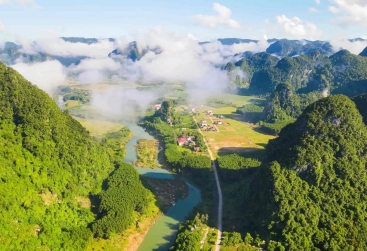
Phong Nha – Ke Bang National Park – One of Vietnam’s Most Outstanding Nature Destinations
Phong Nha – Ke Bang National Park is one of the most remarkable natural destinations in Vietnam and has been recognized by UNESCO as a World Natural Heritage Site because of its unique geological features, geomorphology, and rich biodiversity.
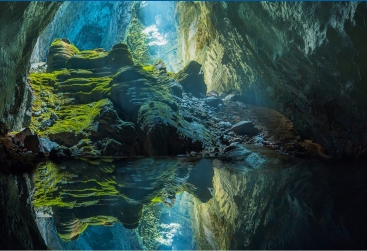
Where is Son Doong Cave? Discovering the Location and Journey to the World’s
Son Doong Cave is located deep within the core area of Phong Nha – Kẻ Bàng National Park in Quang Binh Province, central Vietnam. This magnificent natural wonder lies in a remote primary forest near the border between Vietnam and Laos, about 70 km northwest of Dong Hoi City.
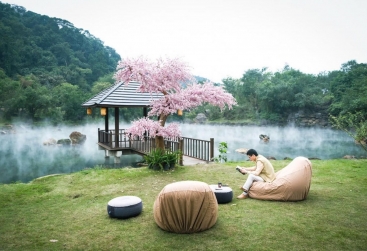
Ticket Prices & Service Packages at Bang Onsen Spa & Resort – Updated for 2026
Bang Onsen Spa & Resort is a scenic wellness and relaxation destination located amid lush natural landscapes in Quang Binh Province, Vietnam. Featuring natural mineral hot springs infused with health benefits and onsen experiences inspired by Japanese tradition, the resort offers a variety of packages suitable for day visits, family outings, and wellness-focused travel.

Ao Dai tailoring service in Hoi An – An unmissable cultural experience for tourists
Hoi An is not only famous for its ancient architecture, lantern-lit streets, and peaceful atmosphere, but also for its strong connection to Vietnamese traditional culture. Among the most memorable experiences for visitors is wearing an Ao Dai – Vietnam’s iconic traditional costume. Ao Dai rental services in Hoi An have become increasingly popular, offering travelers a beautiful way to immerse themselves in local heritage.
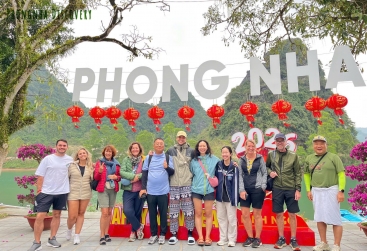
Explore the Top One-Day Join-in Tour Itineraries to Phong Nha Cave
If you only have one day in Quang Binh but still want to fully experience the beauty of the Phong Nha – Ke Bang World Natural Heritage site, a one-day cave tour is a great choice. These tours offer flexible itineraries, reasonable pricing, and are designed to suit many types of travelers, making your trip both easy and memorable.
 Contact us via Whatsapp
  Contact us via Messenger