

Vietnam is home to a rich cultural and natural heritage, reflected in its eight UNESCO World Heritage Sites. These sites, recognized for their outstanding universal value, showcase the country’s history, culture, and natural beauty.
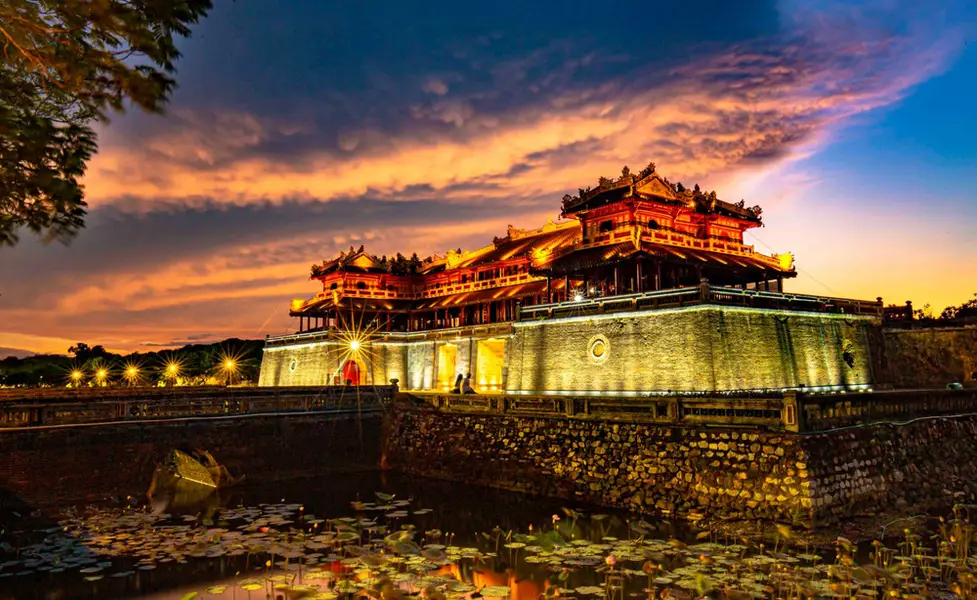
1. Complex of Hue Monuments (1993)
Located in central Vietnam, Huế was the imperial capital of the Nguyễn Dynasty from 1802 to 1945. The complex includes the Imperial City, royal palaces, temples, and tombs of the emperors. It reflects unique Vietnamese architecture influenced by Eastern and Western styles.
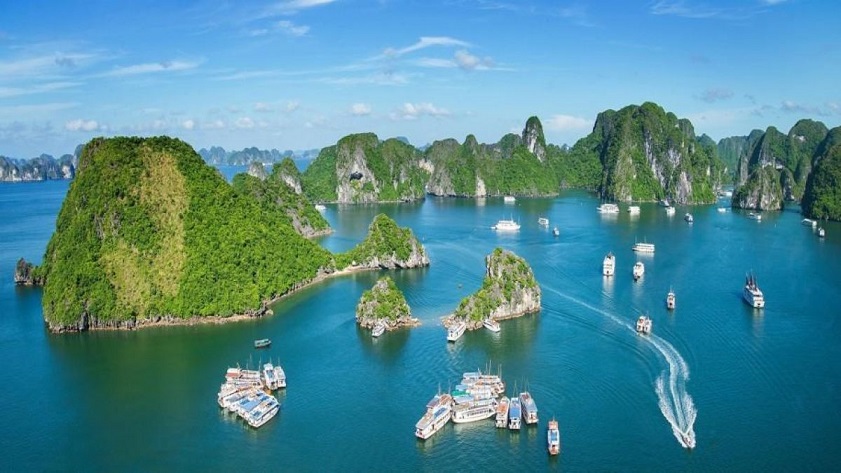
2. Ha Long Bay (1994, 2000)
Famous for its emerald waters and thousands of limestone islands topped with rainforests, Hạ Long Bay in Quảng Ninh Province is one of the world’s most stunning natural landscapes. It is also associated with myths and legends of dragons descending from the sky.
3. Hoi An Ancient Town (1999)
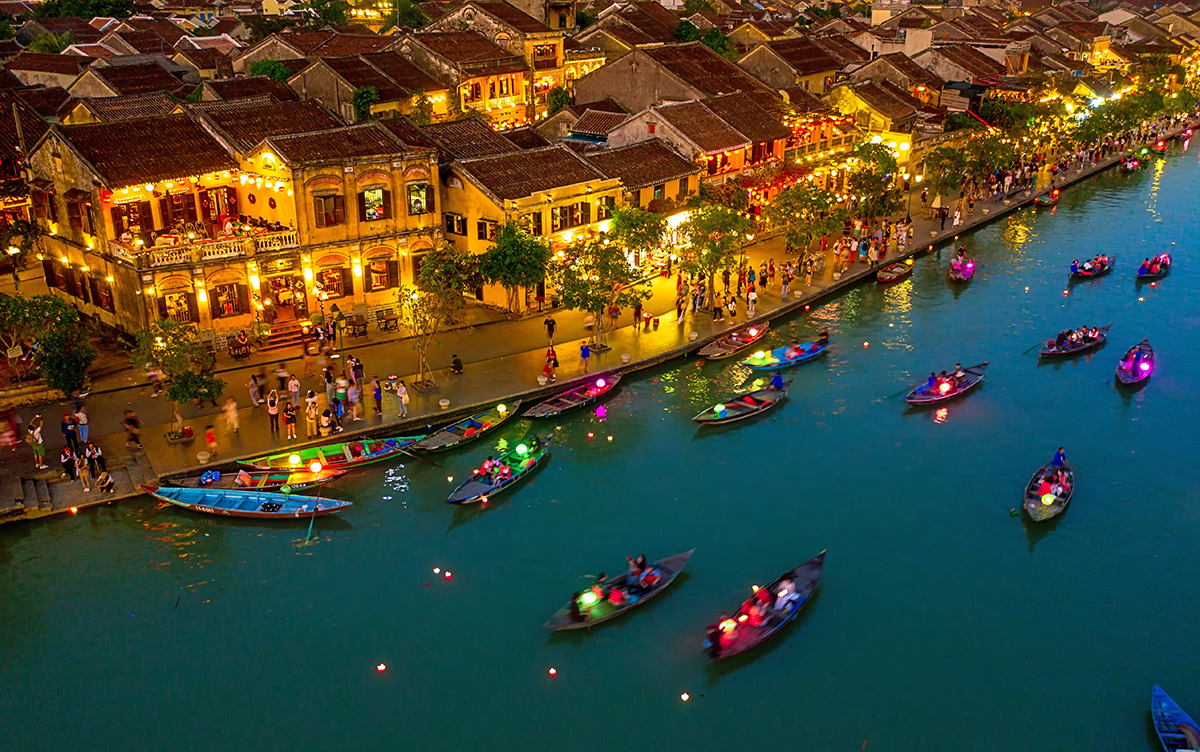
Once a major Southeast Asian trading port from the 15th to the 19th century, Hội An preserves a unique blend of Vietnamese, Chinese, and Japanese architecture. Its narrow streets, ancient houses, and colorful lanterns make it one of Vietnam’s most charming destinations.
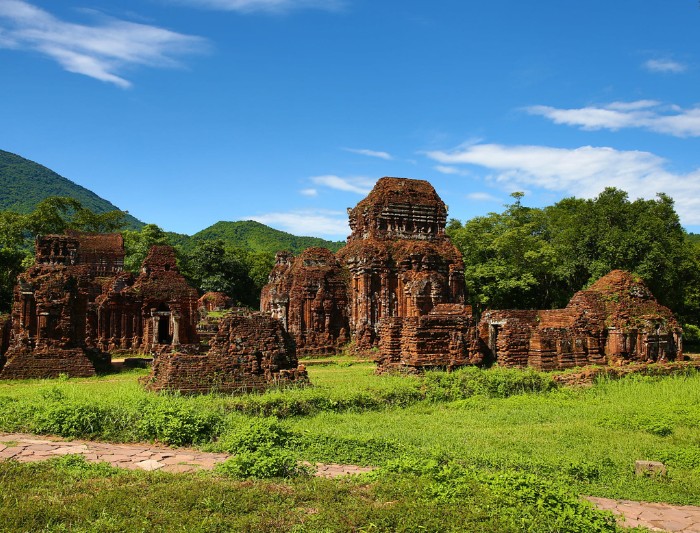
4. My Sơn Sanctuary (1999)
Mỹ Sơn, in Quảng Nam Province, was a religious and political center of the Champa Kingdom between the 4th and 13th centuries. The site features a collection of Hindu temples built with red bricks and sandstone, dedicated to the god Shiva.
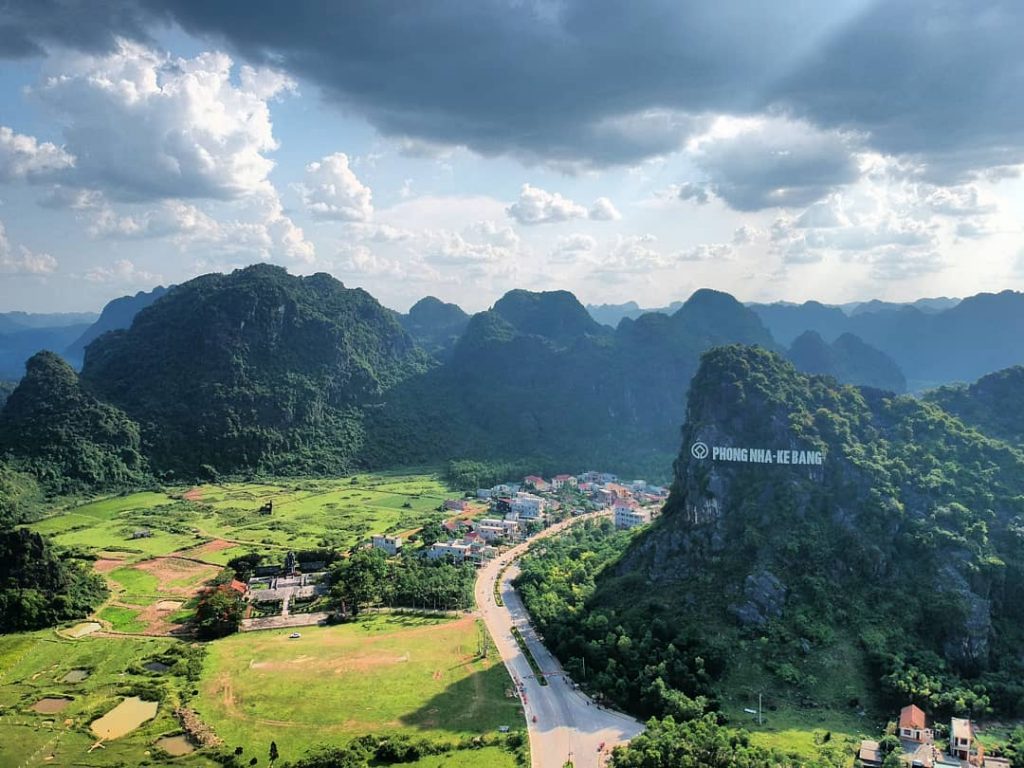
5. Phong Nha – Ke Bang National Park (2003, 2015)
Located in Quảng Bình Province, this park is known for its spectacular karst landscapes, vast cave systems, underground rivers, and rich biodiversity. It is home to the world’s largest cave, Sơn Đoòng.
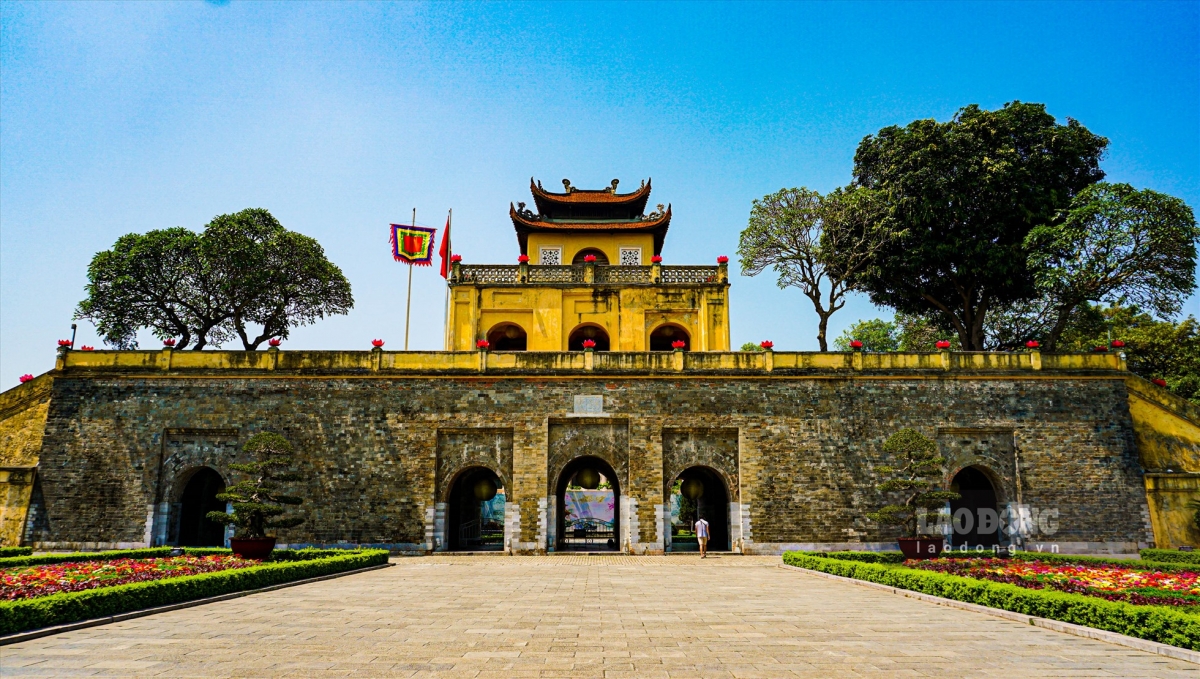
6. Central Sector of the Imperial Citadel of Thang Long – Hanoi (2010)
Built in the 11th century, the Imperial Citadel of Thăng Long was the political center of Vietnam for 13 consecutive centuries. The site reflects the long-standing cultural exchanges and historical continuity of the Vietnamese civilization.
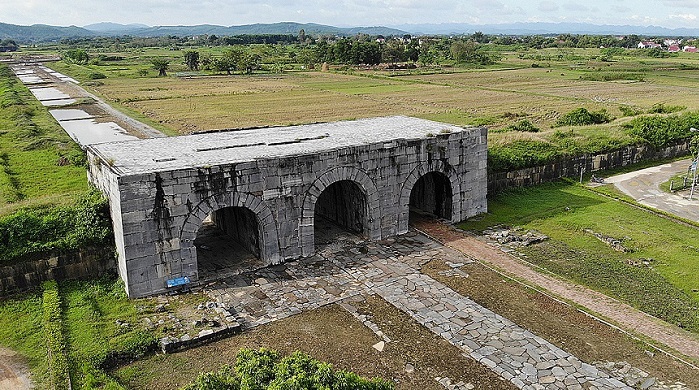
7. Citadel of the Ho Dynasty (2011)
Constructed in the 14th century in Thanh Hóa Province, this citadel was built using large stone blocks, showcasing advanced construction techniques of the time. It symbolizes a significant period of Vietnamese history and architecture.
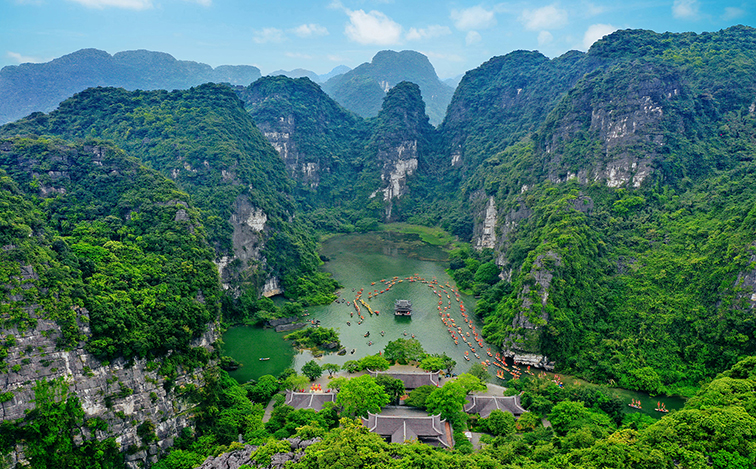
8. Tràng An Landscape Complex (2014)
Located in Ninh Bình Province, Tràng An combines cultural, historical, and natural values. The site features a spectacular landscape of limestone karst peaks, caves, valleys, rivers, and temples, often referred to as “Ha Long Bay on land.”
These eight UNESCO World Heritage Sites highlight Vietnam’s diverse heritage, from imperial cities and ancient temples to breathtaking natural wonders. Together, they represent the country’s cultural pride and natural beauty, attracting millions of visitors from around the world each year.
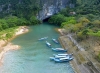



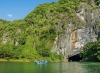
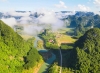

Phong Nha – Ke Bang Officially Recognized by UNESCO as a World Biosphere Reserve
Phong Nha – Ke Bang National Park has officially been recognized by UNESCO as a World Biosphere Reserve, marking a significant milestone in the conservation history of Vietnam and further strengthening the global reputation of this extraordinary natural heritage destination.
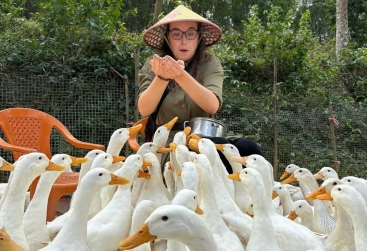
Duck Massage in Phong Nha – One of the Most Unique Experiences in Vietnam
What makes duck massage such a popular experience among international travelers visiting Phong Nha, Quang Binh? Explore this unique farm-based attraction and discover the fun countryside activities that have made Bong Lai Valley a must-visit destination.
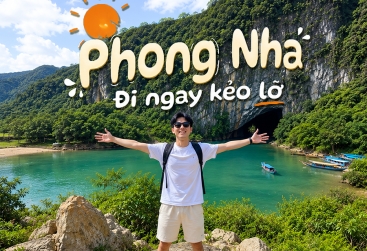
Discover Phong Nha Weather and the Ultimate Travel Guide from A to Z
When is the best time to visit Phong Nha? Explore Phong Nha weather by season, essential travel tips, and must-visit attractions to make the most of your journey through the stunning landscapes of Phong Nha – Ke Bang National Park.
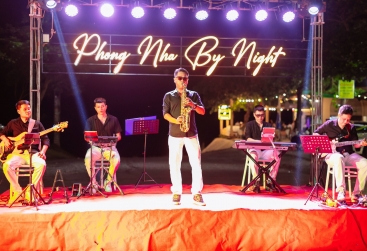
Phong Nha By Night – A New Evening Entertainment Experience in Phong Nha
When the sun sets behind the limestone mountains of Phong Nha, a new journey begins. Phong Nha By Night is an exciting evening entertainment program designed to bring visitors a fresh perspective on this charming destination after dark.
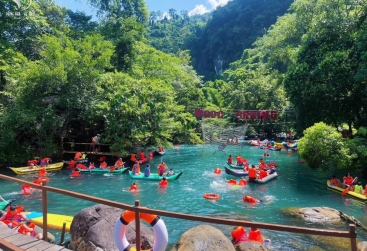
Mooc Spring – A destionation in the heart of Phong Nha Heritage
Nestled within the pristine forests of Phong Nha – Ke Bang National Park, Mooc Spring is the perfect destination for travelers seeking relaxation amidst unspoiled nature. With its crystal-clear turquoise waters, refreshing year-round climate, and exciting outdoor activities, this eco-tourism site has become one of Quang Binh’s most popular summer attractions.
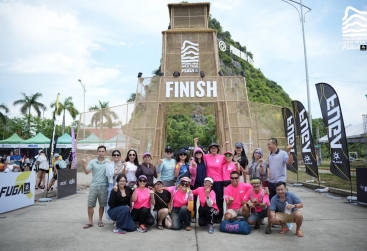
Phong Nha Wild Trail – Running Through the Heart of a World Natural Heritage
Nestled in the majestic landscapes of Phong Nha – Ke Bang National Park, the Phong Nha Wild Trail is more than just a trail running event - it is an unforgettable journey through one of the world’s most spectacular natural heritage sites.
 Contact us via Whatsapp
  Contact us via Messenger